Flood Insurance vs. Homeowners Insurance: Why Your Policy Probably Won't Cover the Flood
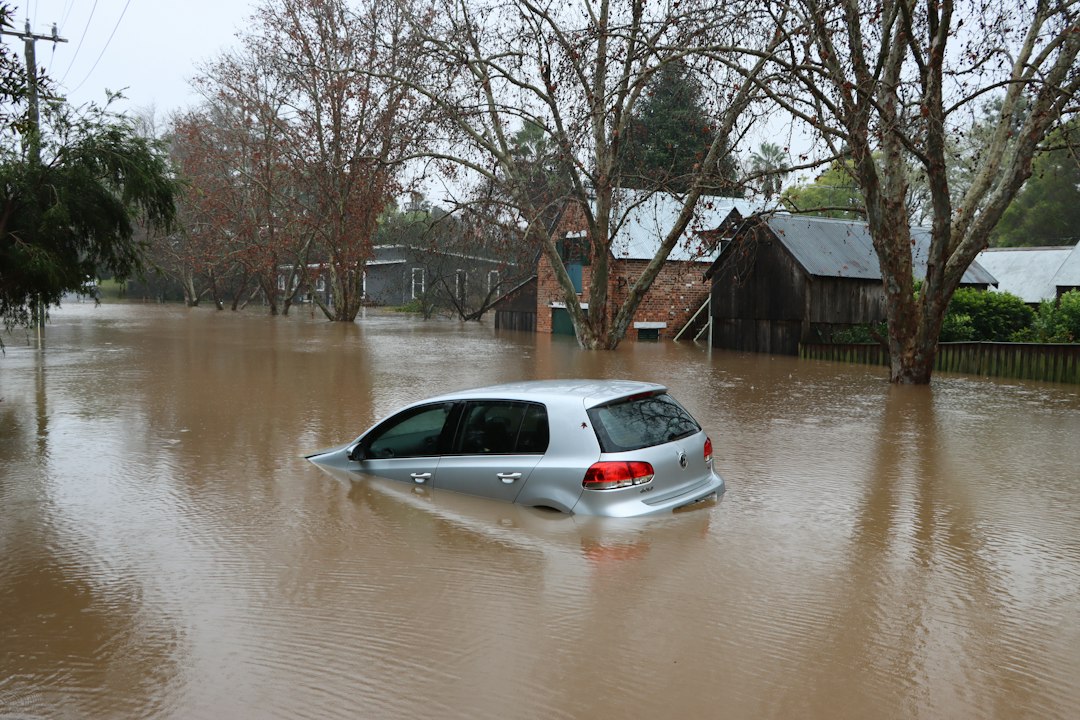
As an expert in property protection, I’ve had countless conversations with homeowners, and one of the most persistent misconceptions I encounter is the belief that standard homeowners insurance covers all forms of water damage. It’s a natural assumption, isn’t it? You pay your premiums diligently, expecting comprehensive protection for your most valuable asset. But let me tell you, when it comes to the question, **does homeowners insurance cover flooding**, the answer is almost always a resounding and potentially heartbreaking "no." This critical distinction is something every homeowner needs to understand *before* disaster strikes.
The reality is that a standard homeowners insurance policy is designed to protect you from specific perils, but natural flooding from external sources isn't one of them. Discovering this gap only after your home has been inundated can be financially devastating and emotionally crushing. My goal today is to clear up this confusion, explain exactly what each policy covers, and empower you to make informed decisions about protecting your home and family.
What Your Homeowners Insurance Policy Actually Covers (and Where It Stops)
Let's break down what your typical homeowners insurance policy is built for. Think of it as protection against sudden, accidental events that originate *within* your property or from specific external dangers.
Here’s a snapshot of what you can generally expect your standard policy to cover:
- Fire and Smoke Damage: This is one of the foundational protections, covering damage from fires and the smoke they produce.
- Theft and Vandalism: If your property is burglarized or maliciously damaged, your policy typically covers the losses.
- Windstorms and Hail: Damage to your roof or siding from severe weather events like hurricanes (though often with specific deductibles) or hailstorms is usually included.
- Falling Objects: If a tree falls on your house (not caused by floodwaters), you're generally covered.
- Certain Types of Water Damage: This is where the confusion often lies. Your policy *will* typically cover damage from sudden and accidental discharges of water, such as a burst pipe, a leaking appliance, or even an overflowing bathtub.
However, the key differentiator for water damage is its *source*. If the water originates from *outside* your home – rising rivers, overflowing lakes, torrential rain causing surface water to enter your home, or coastal storm surge – that's considered a flood, and that's precisely where your standard homeowners insurance stops. It's a critical exclusion that many homeowners only learn about when it's too late.
Understanding Flood Insurance: Your Shield Against Rising Waters
Given that your standard homeowners policy almost certainly won't cover flood damage, what's the solution? The answer is a separate, dedicated flood insurance policy. This isn't just an optional add-on; for many, it's an absolute necessity.
Flood insurance is primarily offered through the National Flood Insurance Program (NFIP), which is managed by the Federal Emergency Management Agency (FEMA). While it's a federal program, you purchase these policies directly from private insurance companies that partner with the NFIP. There are also a growing number of private flood insurance options available today, which can sometimes offer broader coverage or different premium structures.
What exactly does flood insurance cover? It typically protects your home's structure (building coverage) and your personal belongings (contents coverage) from direct physical loss by flood. A "flood" is specifically defined as a general and temporary condition of partial or complete inundation of two or more acres of land or two or more properties (one of which is yours) by surface water. This includes overflow of inland or tidal waters, rapid accumulation of surface water, and mudslides.
It's important to remember that flood insurance policies usually come with a 30-day waiting period before they go into effect, so you can't wait until a hurricane is bearing down on your coast to buy a policy. Planning ahead is crucial.
Navigating Flood Insurance Requirements, Especially in Urban Areas
You might be thinking, "I don't live on a coastline or near a river, so I don't need flood insurance, right?" Not necessarily. While mandatory purchase requirements are typically tied to federally designated high-risk flood zones (Special Flood Hazard Areas, or SFHAs), floods can happen anywhere. In fact, a significant percentage of NFIP claims come from areas outside these high-risk zones.
If you have a mortgage from a federally regulated lender and your property is located in an SFHA, then **flood insurance is a mandatory requirement**. Your lender will typically require you to maintain a policy for the life of the loan. This is where topics like **fema flood insurance nyc** and **flood insurance requirement brooklyn** become particularly relevant.
New York City, with its extensive coastline, numerous waterways, and dense population, is particularly vulnerable to flooding from coastal storms and heavy rainfall. Following events like Hurricane Sandy, there's been increased awareness and stricter enforcement of flood insurance regulations. If you own property in areas of the city like Brooklyn, especially in neighborhoods close to the waterfront or those historically prone to inundation, you're very likely to encounter a **flood insurance requirement brooklyn** if you have a federally backed mortgage. FEMA regularly updates its flood maps, so what might have been a low-risk zone yesterday could be reclassified as a moderate or high-risk zone tomorrow. It's essential to check the latest FEMA flood maps for your specific address.
Even if your mortgage lender doesn't require it, or if you own your home outright, I strongly advise you to consider flood insurance. The cost of a policy pales in comparison to the financial ruin that even a few inches of floodwater can cause.
The Devastating Gap: Why You Can't Afford to Wait
The most heartbreaking part of my job is hearing from homeowners who only discover the devastating gap between homeowners and flood insurance *after* a flood has destroyed their home. The misunderstanding about what NFIP does – thinking it's a disaster relief handout rather than an insurance product you must purchase – is another common pitfall. While federal disaster aid *may* be available in declared emergencies, it often comes in the form of low-interest loans, which still means incurring debt, not a payout to rebuild.
The average flood insurance claim is tens of thousands of dollars, and rebuilding costs can easily run into the hundreds of thousands. Without flood insurance, these costs fall squarely on your shoulders. Can your savings absorb that kind of hit? For most families, the answer is a clear no.
Flooding is the most common and costly natural disaster in the United States. It's not just a coastal issue; it can happen due to flash floods in arid regions, overflowing rivers from heavy rains upstream, or even poor drainage in urban environments. The financial burden of rebuilding, replacing cherished possessions, and finding temporary housing without adequate insurance coverage can plunge families into prolonged debt and distress. Don't wait until the water is at your doorstep.
Protecting Your Home: A Proactive Approach
Understanding that **does homeowners insurance cover flooding** is a crucial piece of knowledge, but it's just the first step. Here's how to ensure you're adequately protected:
1.
Review Your Current Policies: Pull out your homeowners insurance policy and read the "exclusions" section carefully. Confirm in writing from your agent that it does not cover flood damage.
2.
Assess Your Flood Risk: Visit FEMA's Flood Map Service Center (msc.fema.gov) and enter your address. This will show you your property's flood zone designation. Don't assume you're safe just because you haven't flooded before; flood maps and climate patterns change.
3.
Get a Flood Insurance Quote: Contact your current insurance agent or an independent agent who specializes in flood insurance. Get quotes for both NFIP and private flood insurance options. Compare coverage, deductibles, and premiums.
4.
Understand What's Covered (and What Isn't): Ask detailed questions about what your chosen flood policy covers for both building and contents, and any exclusions. For instance, most policies do not cover damage to lawns, septic systems, or swimming pools.
5.
Don't Delay: Remember the waiting period for most flood insurance policies. The time to buy it is now, not when a storm is forming.
Frequently Asked Questions About Flood Insurance
Is flood insurance mandatory for everyone?
No, flood insurance is only mandatory if you have a federally regulated mortgage and your property is located in a high-risk flood zone (Special Flood Hazard Area) as designated by FEMA. However, it's highly recommended for anyone at risk of flooding, regardless of mandatory requirements.
How do I know if my property is in a flood zone?
You can easily check your property's flood zone designation by visiting the FEMA Flood Map Service Center website (msc.fema.gov) and entering your address.
What's the difference between NFIP and private flood insurance?
NFIP policies are government-backed and offer a standardized level of coverage. Private flood insurance policies are offered by private companies and may provide broader coverage options, higher limits, or different pricing structures, depending on the insurer and your risk profile.
Does flood insurance cover basement flooding from heavy rain?
Typically, NFIP flood insurance has limitations on basement coverage. It generally covers structural elements, essential utilities, and certain appliances, but not finished walls, floors, or personal belongings in basements below the lowest elevated floor. Private policies may offer more comprehensive basement coverage.
Can I get flood insurance even if I'm not in a high-risk flood zone?
Yes, absolutely! Anyone can purchase flood insurance, even if they are in a low or moderate-risk zone. Many floods occur outside high-risk areas, and premiums in these zones are often significantly lower.
Conclusion
The distinction between homeowners insurance and flood insurance is one of the most critical lessons any homeowner can learn. While your homeowners policy is invaluable for many perils, it simply does not provide protection against flood damage. The question, **does homeowners insurance cover flooding**, demands a clear "no" so you can take the necessary steps to safeguard your property.
Don't wait to discover this gap after the fact. Take action today: review your existing policies, assess your flood risk, and get a quote for a dedicated flood insurance policy. Protect your home, your finances, and your peace of mind. Your future self will thank you.
